
Our research

The science behind healthier oceans

From the Arctic to the Antarctic, our research area is global. We study whales where they live to understand the pressures they face, and what it takes to protect them.

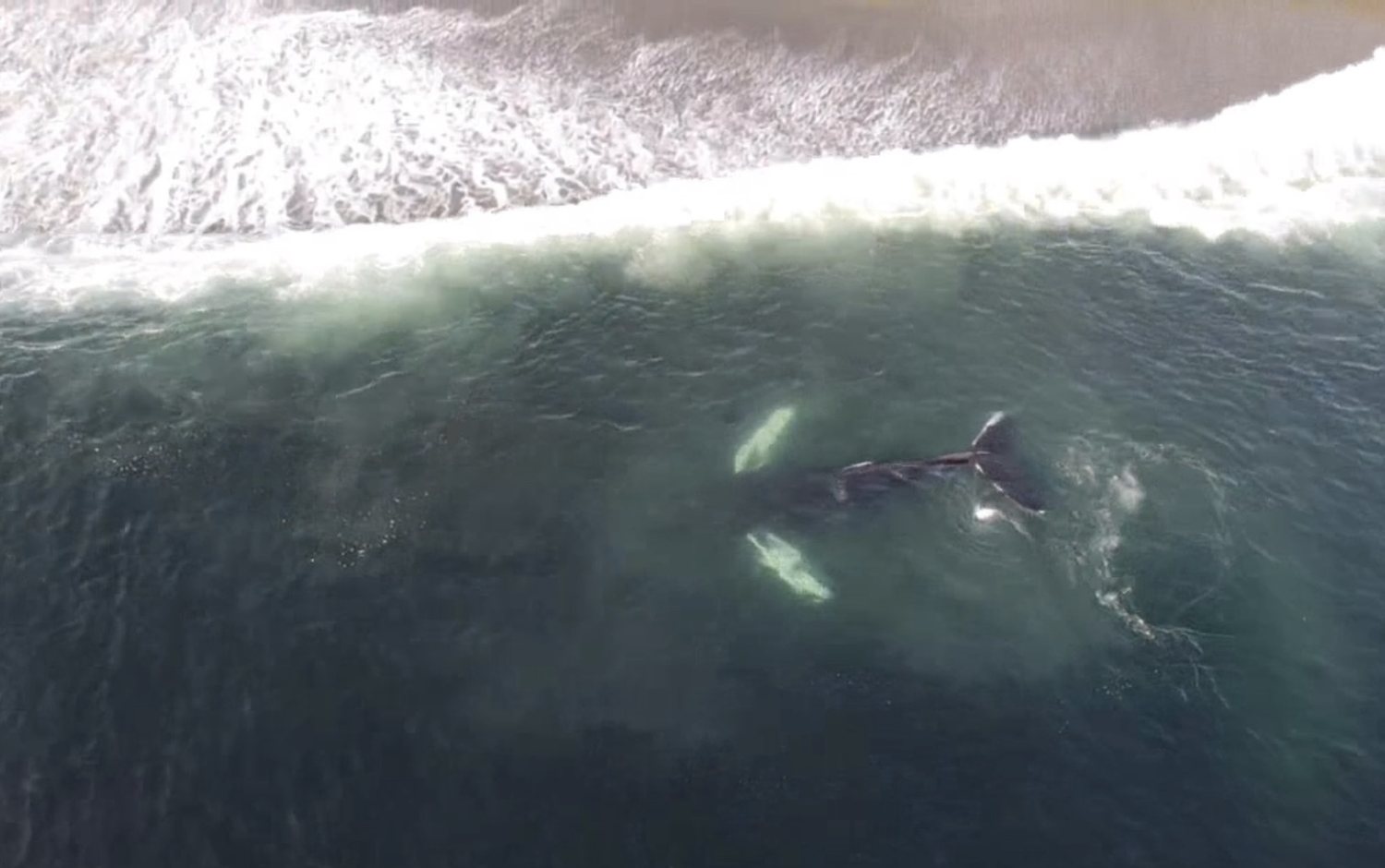
Aerial view of a whale at the surface

Current focus

The effects of multiple stressors on the health of humpback whales

Whales seldom face one threat at a time. Warming waters shift their prey. Ocean noise disrupts how they communicate and feed. Entanglement and ship strike add further strain. Individually each is serious; together they can compound in ways we are only beginning to measure.

Our flagship programme investigates how these overlapping stressors affect humpback whale health, body condition, and resilience, so conservation can target the pressures that matter most.

How we work

Rigorous methods, real-world reach

Field monitoring

Long-term observation of whales in their habitat, capturing health and behaviour across seasons and regions.

Non-invasive sampling

Modern techniques let us assess whale health while minimising disturbance to the animals we study.

Data & analysis

We combine field data with analytical models to disentangle how multiple stressors interact.

Open collaboration

We share methods and findings with partners worldwide to strengthen the global evidence base.

Policy translation

We turn results into clear guidance for the people who shape ocean and wildlife policy.

Capacity building

We train and support the next generation of marine scientists through our outreach and education work.

From the Arctic to Antarctica, our research area is global.

Publications & reports

Sharing what we learn

We publish our findings so they can inform science and policy beyond our own work. Our research builds directly on our Founder's body of work.

Peer-reviewed research articles

Castro, Stack et al. (2026)

Royal Society Open Science

Using fluke photo-identification, this study confirmed humpback whales crossing more than 14,000 km of open ocean between breeding grounds in eastern Australia and Brazil, among the longest movements ever documented for the species, and a finding that drew international attention.

Read the paper →

Stack et al. (2026)

Frontiers for Young Minds

A science communication piece written for a general audience, explaining how warming oceans under different climate change scenarios may affect humpback whales on their breeding grounds.

Read the article →

Stack et al. (2024)

Marine Mammal Science

The first documented observation of sexual behaviour between two male humpback whales. The paper made international headlines and introduced millions of people to the reality that whale behaviour is still full of surprises, with coverage by National Geographic, The Washington Post, NBC News, and many others.

Read the paper →

Stack et al. (2021)

Frontiers in Marine Science

An investigation into how commercial swim-with-whale tours affect humpback whale behaviour in Hervey Bay, Australia, contributing to global calls for stricter regulation of wildlife tourism.

Read the paper →

Stack et al. (2020)

Marine Ecology Progress Series

This study of spinner dolphin movement and behaviour in Maui Nui directly informed a 2021 U.S. federal regulation establishing a 50-yard approach limit for Hawaiian spinner dolphins under the Marine Mammal Protection Act.

Read the paper →

Stack et al. (2019)

Australian Mammalogy

An analysis of humpback whale distribution trends over time in an important migratory stopover for east Australian humpback whales. The article received an editor's choice award from the journal.

Read the paper →

Fund the next field season

Research depends on support. Help us keep the science going.

Donate